In the previous article you read that we both passed the Basic VHF Certificate. So we are now allowed to use the VHF radio on inland waterways. However, we are not allowed to use the seamode. This is the mode that not only has high power (i.e. transmitting further), but also DSC functionality.
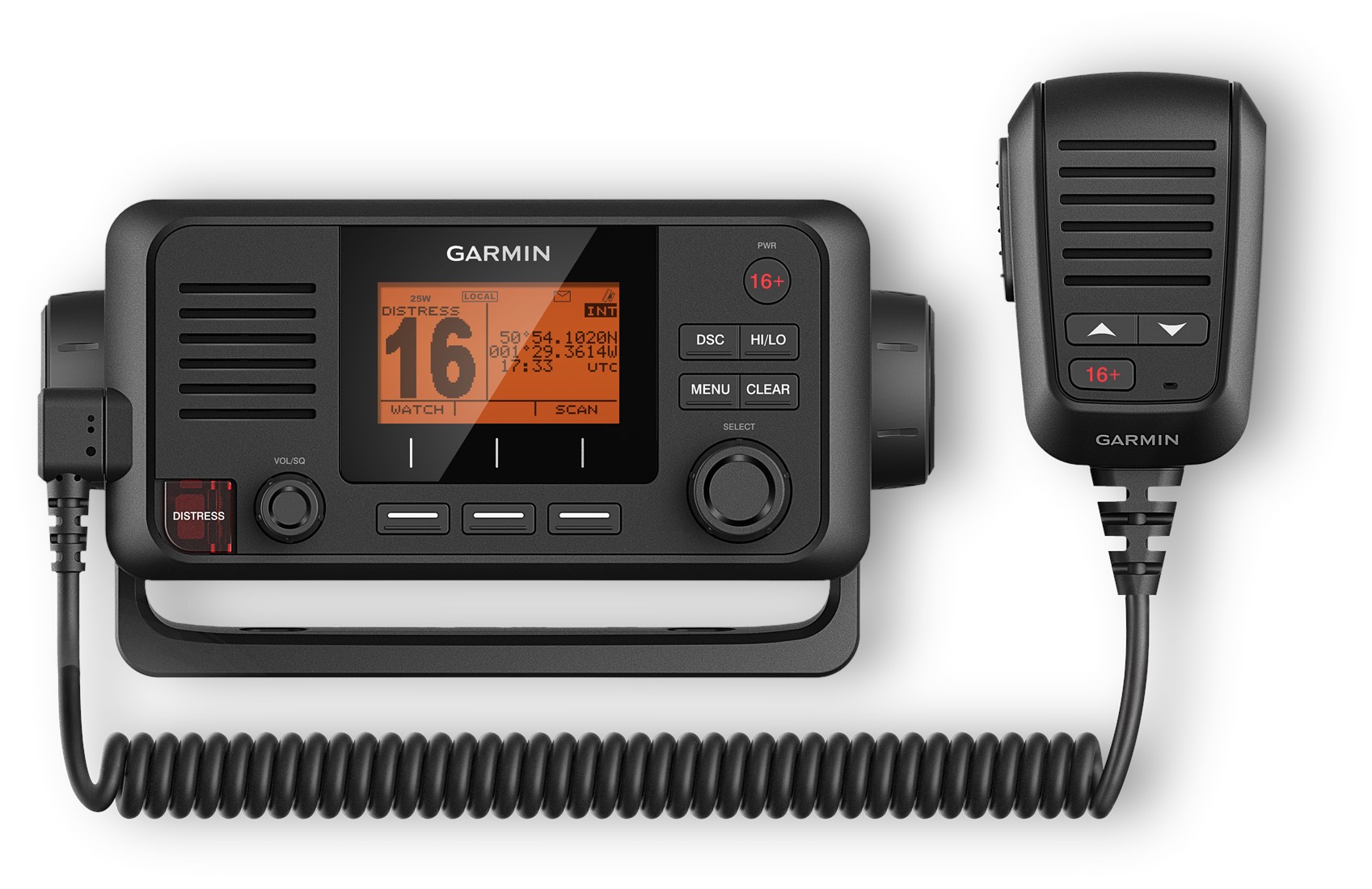
DSC stands for Digital Selective Calling. This simply means that the radio can make digital calls, whether or not automatically. Think of the red button on a VHF radio. This automatically makes a distress call. The Coast Guard and other vessels receive this message, and everyone’s VHF is tuned to channel 16. Channel 16 is the general emergency channel on the open water (sea).
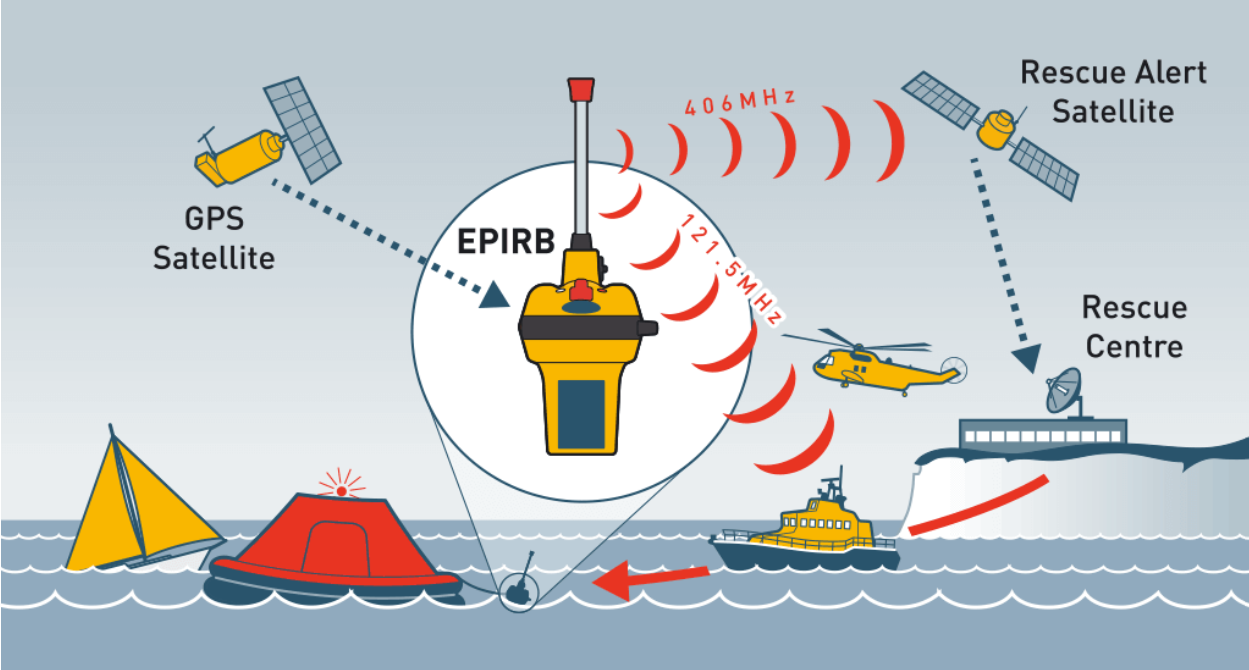
So we need to get another certificate if we want to have the DSC functionality activated on Linde. In addition, we also have an EPIRB, a beacon that can be activated automatically) that also cannot be used with a Basic Certificate.
At Linde, in addition to the above, there is also an SSB radio. An SSB radio is a kind of VHF radio, but it has a much higher power and other frequencies so it can transmit and receive much farther than a high-power VHF.
In the Netherlands, we could get Marcom A. Then everything can be used, but… in my opinion this costs too much money. In addition, it is a multi-day course, which is not practical for us. So then Marcom B. We cannot use the SSB radio. There is a roundabout way to be able to use it legally. I would have to get an amateur radio license. We can always do that, but first we will get the SSB out of the boat. A crossing of the ocean is still far from being planned. VHF is more than sufficient for the North Sea.
Marcom B, but… this is also a multi-part course. A bit of self-study and then more than 1 day somewhere on location. The price is also quite high. Is there an alternative?

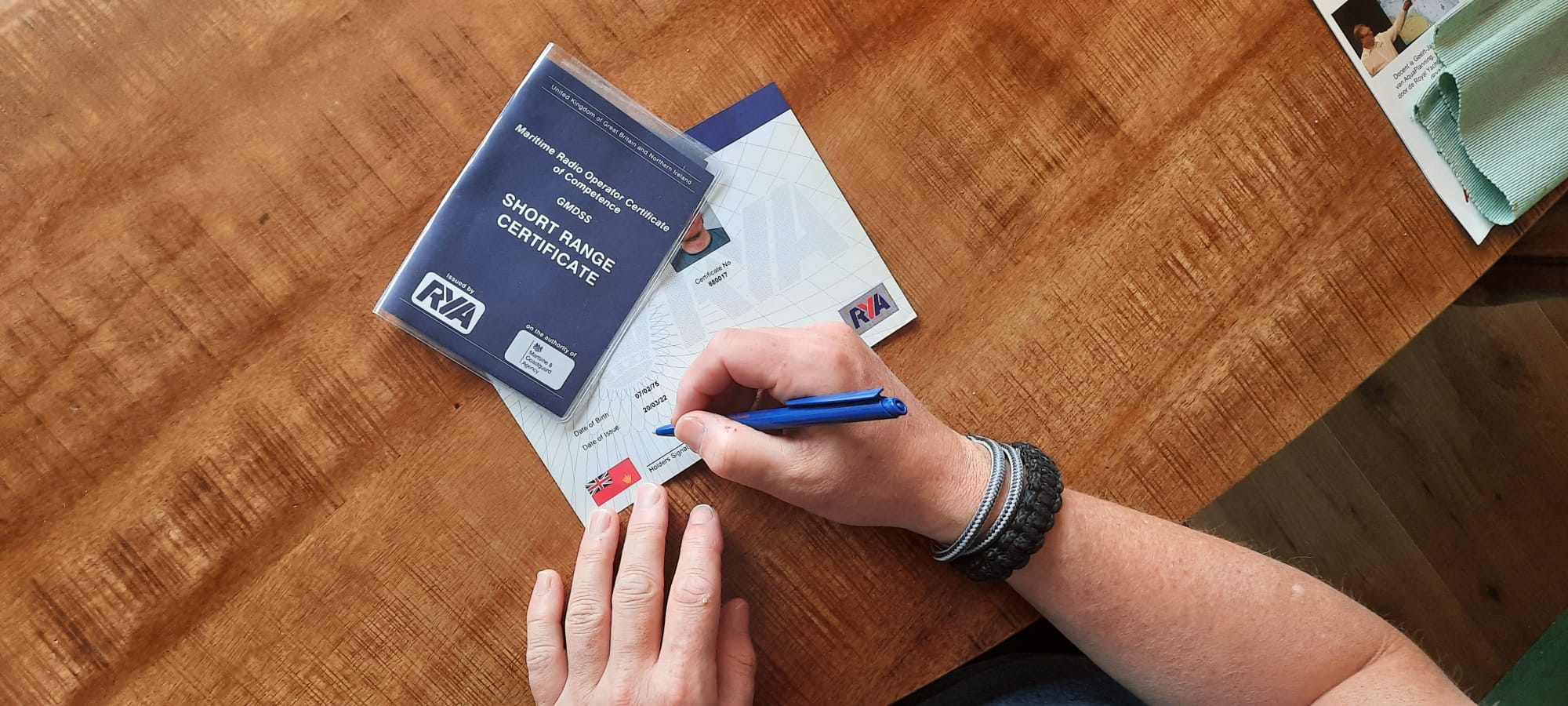
Yes there is. At the RYA(Royal Yachting Association) you can get a Short Range Certificate. This is the equivalent of Marcom B. Through aquaplanning.org is this course and exam to plan. We get an online environment of RYA available with which we can learn everything ourselves. This also includes a simulation of a VHF. So, we are practicing at home out loud MAYDAY-MAYDAY-MAYDAY or PANPAN-PANPAN-PANPAN. It’s all English though but that’s what makes it fun. You don’t need any previous knowledge, so we didn’t have to get the Basic Certificate. We notice that we are very happy that we did. It does make learning a lot easier. A lot of repetition.
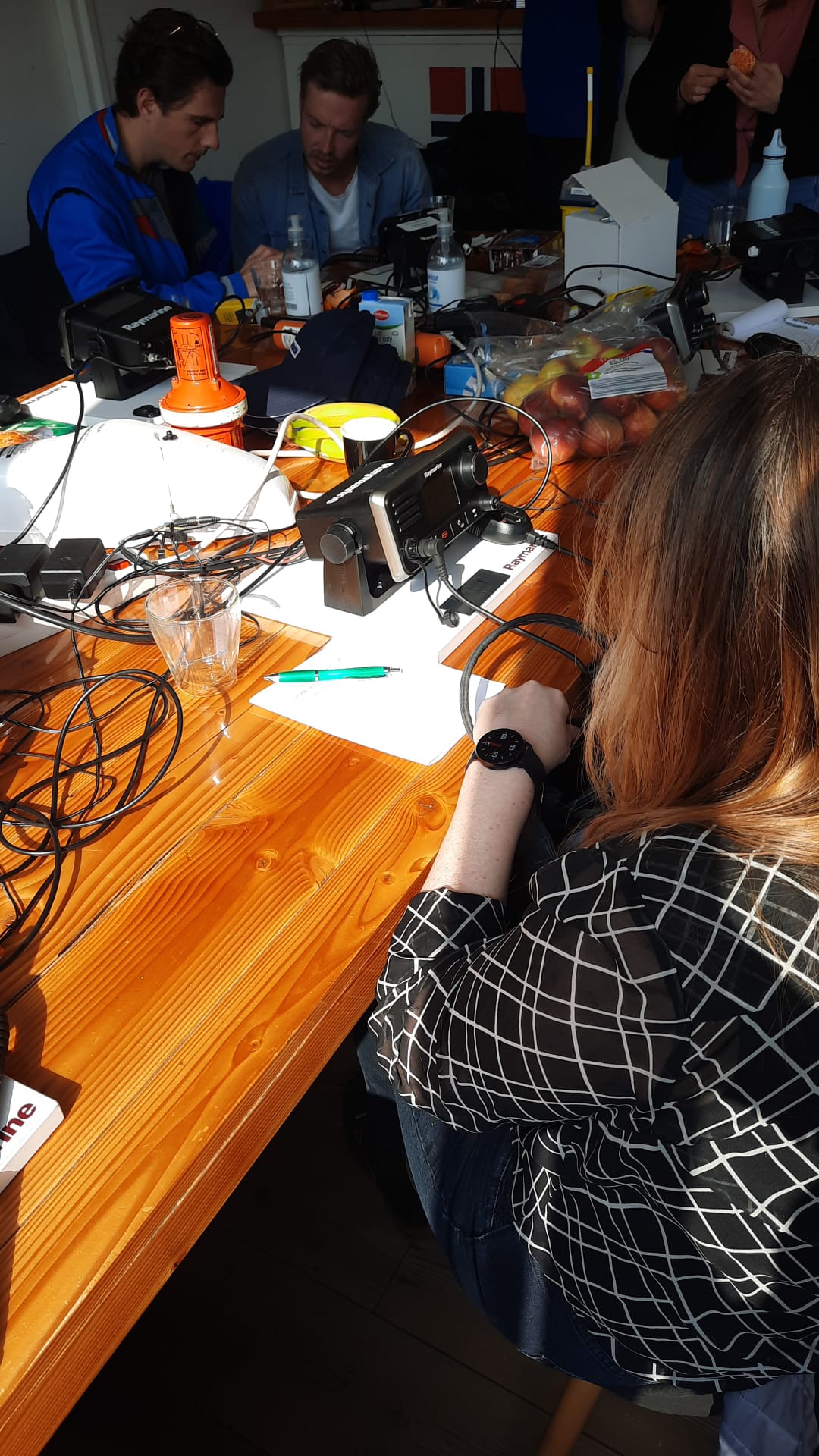
On March 20, the time has come. We go to Sneek and have another day of training. There is also all kinds of equipment present with which you can practice. In the classroom are several other students. Young people who are going to teach sailing on the Mediterranean. Other people who, like us, have just bought a sailing boat and want to sail further. It was nice to meet people with similar dreams.
At the end of the day, the time has come. The exam is about to begin. Like in school, we get the test. There are different versions, in other words, there is no cheating and it is a very serious moment. I notice that an exam in English is sometimes more difficult than one in Dutch. However, I am not disappointed and with a good feeling I hand in my answers. When everyone has handed in their answers, we immediately receive the results. Everyone passed that day! Fantastic!
Slowly everyone leaves for home. I want to go too, but Carla indicates that she still wants to know how she did. “Don’t you want to know what you did wrong†– “No, but if you go and look, I will tooâ€.
Oh dear, if only I hadn’t done that now… I got 1 more question right than Carla… 😋
There are no comments on this blog yet. Feel free to let us know what you think about this blog.
 Nederlands
Your comment